Prayer lies at the very heart of the Orthodox Christian tradition and worship of our Church. It is the way in which man gets closer to God, speaks with Him, and becomes worthy of His Divine Grace. To this end, the Church offers a rich legacy of prayers, psalms, and sacred texts, sanctified by centuries of use and inspired by the Holy Spirit, through which every believer may address the Lord with reverence and faith..jpg)
Yet alongside these established prayers, people—and often even the holy Fathers of our Church—have many times turned to a more spontaneous expression of their faith. They have lifted their souls to God with their own words, born of immediate need, gratitude, or repentance.
Today, this leads to an important question for many of us: Can We Pray to God with Our Own Personal Prayer?
The Three Types of Prayer
Every believer has three main ways of praying, glorifying, and begging God.
- Traditional Prayers — These are the recorded prayers and psalms that the Church has preserved and used for centuries. They are the same prayers through which countless saints have lifted their hearts to God.
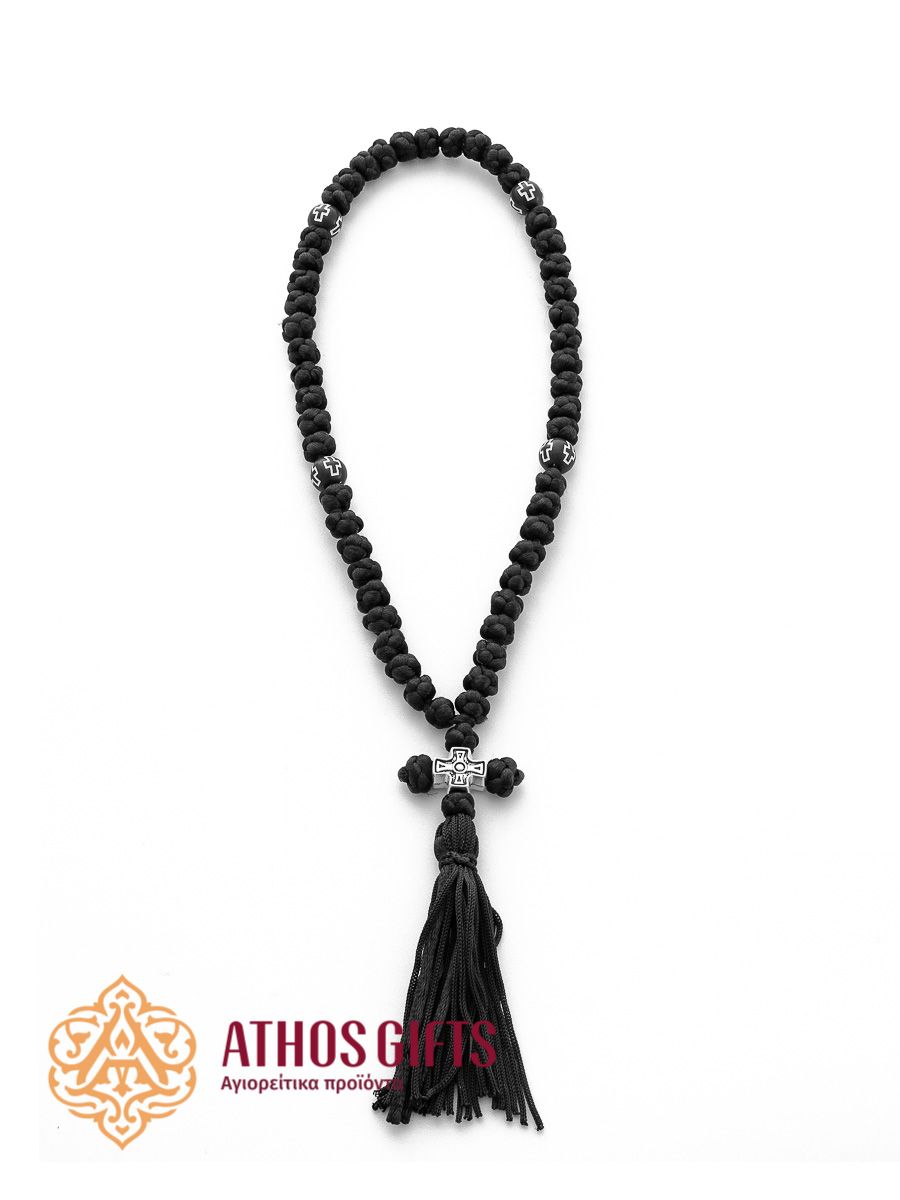
- Mental Prayer — Often associated with the use of a prayer rope, this form emphasizes to our inner concentration and the continual invocation of the Lord through the Jesus Prayer.
- Personal Prayer — Here, each believer expresses themselves in their own words, offering a personal revelation of their deepest feelings to God.
The Power of Traditional Prayers
The prayers handed down to us by the Church hold a place of special importance. They are the cornerstone of our communication with God, sanctified by their use throughout the ages and by the saints who used them before us. Their words carry profound theological depth and spiritual grace, nurturing and strengthening the faith of each Christian.
 Moreover, these prayers serve as stable models. They teach us the values of faith, guide us in the proper way of addressing to God, and help us shape our spiritual strength. In their enlightened and timeless expression, they elevate our soul and provide a safe foundation upon which all other forms of prayer may grow.
Mental Prayer
The prayer, “Lord Jesus Christ, have mercy on me, a sinner,” is a constant and unceasing supplication. Through these simple yet profound words, the believer can repent, pray while holding the prayer rope, or call upon God’s mercy throughout the day, whether at work, at rest, or in silence.
Heartfelt prayer is a means of spiritual concentration and discipline. It trains the believer to bring his words from his mind into his heart, so that prayer may no longer be merely spoken but truly lived. Its ultimate purpose is communion with the truth and essence of the Orthodox faith, as well as union with Jesus Christ Himself.
Personal Prayer
Personal prayer, expressed spontaneously in one’s own words, is also a valuable way of speaking to God. The Church sets no rule that negates its worth or discourages it. On the contrary, many saints and contemporary elders poured out their hearts to God in such a way, leaving behind treasured testimonies of sincere and moving prayer.
One example is Saint Ephraim of Katounakia, who often prayed with his own words. His spontaneous supplications, filled with simplicity and love, are still remembered and cherished by those who were blessed to know him personally.
The Value of Personal Prayer
.jpg) Spontaneous prayer can also be rich in theological meaning and filled with spiritual clarity. It is therefore natural—and indeed legitimate—to pray in this way whenever the heart feels the need and is capable of doing so. Such prayer can save the soul of the believer, work miracles, and bring us into direct communion with heavenly powers. Throughout history, there have been countless occasions when the saints, and even the Most Holy Theotokos Herself, appeared to the faithful, responding to their simplest and most heartfelt prayers.
Spontaneous prayer can also be rich in theological meaning and filled with spiritual clarity. It is therefore natural—and indeed legitimate—to pray in this way whenever the heart feels the need and is capable of doing so. Such prayer can save the soul of the believer, work miracles, and bring us into direct communion with heavenly powers. Throughout history, there have been countless occasions when the saints, and even the Most Holy Theotokos Herself, appeared to the faithful, responding to their simplest and most heartfelt prayers.
Can We Pray to God with Our Own Personal Prayer?
In the Orthodox Christian tradition, there is no opposition but rather complementarity between the three types of prayer. Recorded prayers, the prayer of the heart, and personal prayer are all in the same way to achieve our communion with God.
What ultimately matters are humility and a clarity of expression—a “broken and humbled heart”, as Saint John of the Ladder teaches us. Such a heart is more precious to God than the finest words could ever be.
It is therefore perfectly legitimate to pray in our own words, provided we remain clear in our expression and firmly rooted in the truth of the Gospel. In this way, all forms of prayer, whether traditional, mental, or spontaneous, become living expressions of faith, uniting the believer with the Lord.
However, as emphasized, it is important to cultivate all three forms of prayer. Personal prayer on its own, without having its ground on the wisdom of the Church, can easily mislead us. The sure and safe path of communion with God remains the sacred texts, psalms, and prayers handed down to us by the enlightened Fathers of our Church. By continually returning to these treasures, we learn the right spirit of prayer and safeguard ourselves in truth. Only then can our own words, spoken sincerely and humbly, become a genuine extension of that living tradition.