The reading of prayers by a priest is an important ritual in the Orthodox Christian tradition. Through their prayers, believers seek God’s support and help, asking for peace and blessing in their lives. Such prayers are specific supplications offered for particular needs and under certain circumstances.
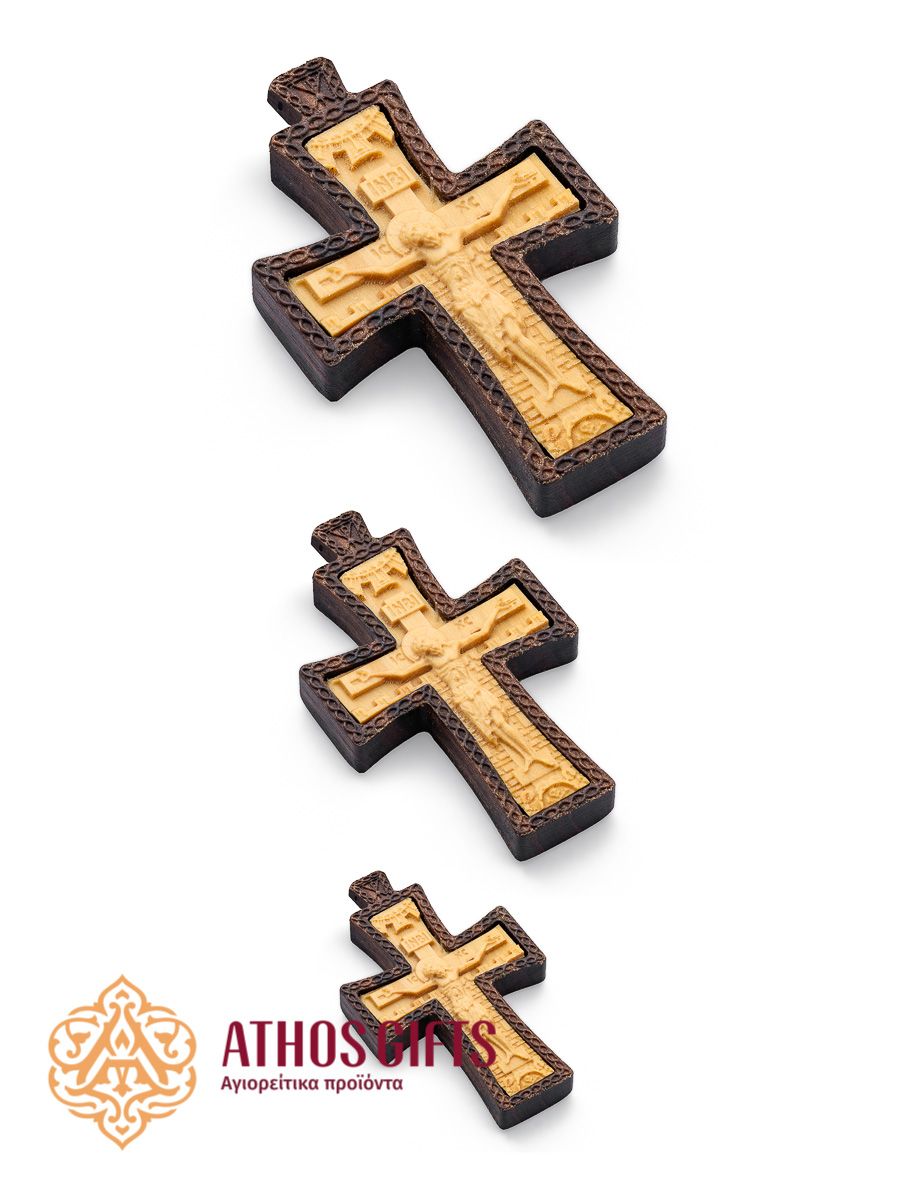
Customs and traditions, however, can vary depending on the region and the specific case. In some places, for example, it is customary for newly purchased crosses, intended to be worn by the faithful, to be blessed in the church. Icons destined for home, along with other sacred symbols or worship items, are also blessed. Even food, such as the red eggs prepared at Easter, receives a blessing. Objects made in Mount Athos are likewise considered to carry the monks’ blessings..jpg)
In this article, we will explore the significance of blessing, the consecration of personal items that are customarily blessed by priests, as well as the common practices observed in Greece and in Mount Athos.
Why is it important to bless crosses, prayer ropes, and other sacred objects?
The consecration of sacred objects holds deep significance, as it is rooted in the power of prayer and the protection it brings to the faithful. Throughout every age and in every part of the Orthodox world, believers have sought God’s help and safeguarding in their daily lives. For this reason, they wear the cross around their neck, declaring both their devotion to the Lord and their faith in His sacrifice. It is at once a “confession of faith” and a constant pleading of God’s protection. Likewise, prayer ropes are worn or carried as an aid in prayer, guiding the believer in ascetic discipline and helping them in their spiritual struggle.
When a priest blesses a sacred object through the reading of prayers, the call of the divine grace is strengthened, and the object itself becomes a vessel of sanctifying power. Confirming its symbolic meaning, the blessed object serves as a mediator between the believer and the heavenly powers—the saints, Virgin Mary, and Christ Himself. In this way, it becomes a constant supplication and offering, supporting the faithful in keeping their spiritual values and illuminating the truth of Christian faith.
What is the ritual for consecrating an object?
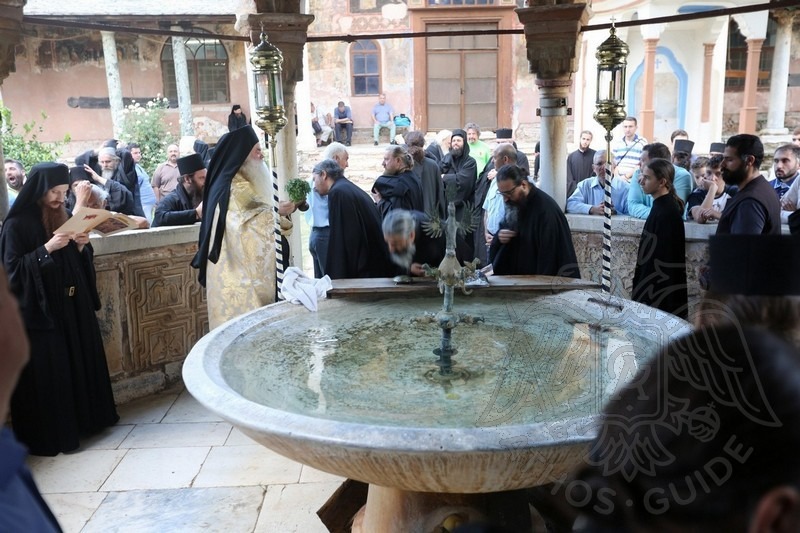
In many Orthodox traditions, it is customary for a cross to be blessed before it is worn by the believer. Just as in the sacrament of baptism, the faithful present the cross to the priest for blessing. The priest then reads the appointed prayer, makes the sign of the cross over the object, and sprinkles it with holy water. Through this ritual, the object is believed to receive the grace and blessing of the Holy Spirit, becoming a means of spiritual protection and an aid in the believer’s struggle for salvation.
Can anyone perform the blessing themselves?
In general, the reading of the prayers and the consecration of objects is reserved for a priest and cannot be performed independently by lay believers. Of course, the faithful may pray with the object, sprinkle it with holy water, or place it on the iconostasis in their home. However, the formal blessing and consecration can only be carried out by a priest, since the ritual itself belongs to the sacred life of the Church and is often connected with the Divine Liturgy and other services.
What objects can be consecrated?
The types of objects that may be consecrated vary, depending on the traditions and customs of each region. The most common are crosses, prayer ropes, and icons. In every case, the consecration is performed by the priest, who reads the appointed prayer and gives his blessing so that the object may be used in a devout and proper manner. Food is also frequently blessed and later consumed by the faithful during the feasts (for example, red Easter eggs or fanouropita, in the feast of Saint Fanourios).
What are the most common practices in Greece?
In Greece, it is not considered strictly necessary for a new cross to be blessed before being worn. However, if requested, the priest may read a prayer and give his blessing. The same applies to icons or prayer ropes. With smaller devotional objects, it is quite common for believers to place them on holy relics and make the sign of the cross over them, thereby invoking the grace and blessing of the saints. In this way, the faithful feel that—beyond its symbolic meaning—the object carries with it the intercession and protection of the saints, who safeguard them and act as a spiritual shield against passions.
On the contrary, it is very common for priests to bless new homes when a family or an individual moves into a new residence, as well as new cars. In these cases, the faithful once again seek to sanctify the space around them, inviting God’s grace to dwell with them, to accompany them in the moments of daily life, and to protect them from evil influences.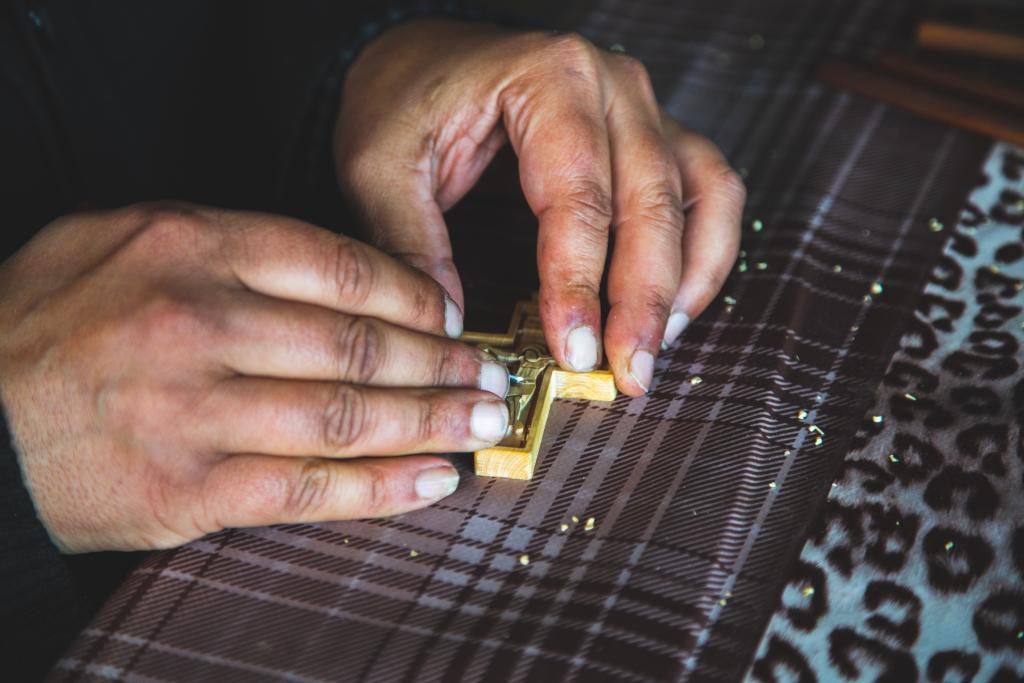
Similarly, various foods are blessed as part of the life of the Church. Depending on local customs, red eggs at Easter or fanouropita are placed either beside the Holy Altar or on a nearby table, to be blessed by the priest, who reads the prayers of consecration along with the names of the faithful who have offered them.
How are products from Mount Athos blessed?
The monks of Mount Athos generally follow the same practices as the wider Orthodox community in Greece. Therefore, everything mentioned above applies also to the monasteries of Athos.
However, not all products and handicrafts given to the faithful are formally blessed inside the church through a specific ritual. Mount Athos is above all a place of prayer and contemplation. The fathers who live there water the earth with their tears of repentance and sanctify their work through both physical and spiritual labor. Their handicrafts are not blessed through a certain ritual, but they bear the paternal blessing of the monks and the power of their ascetic struggle. They also carry the strength of unceasing mental prayer, through which the monks continually invite the grace of the Holy Spirit into every task they undertake. Thus, even without a formal rite of consecration, each object carries with it the blessings of the Athonite fathers and the protection of the Most Holy Theotokos, who watches over and guards their work.
An exception to this is the ribbons sanctified on the Holy Belt of the Virgin Mary. Strips of fabric, prepared by the monks, are placed upon the sacred relic while the fathers pray and chant hymns to the Theotokos. In this way, the ribbons are sanctified. Through them, a great number of miracles have taken place.
In our online store you will find icons, crosses and prayer ropes that the Athonite monks create in their handiwork.
May the Lord, through the prayers of our patroness, the Most Holy Theotokos, bless you, your family and all your beloved ones