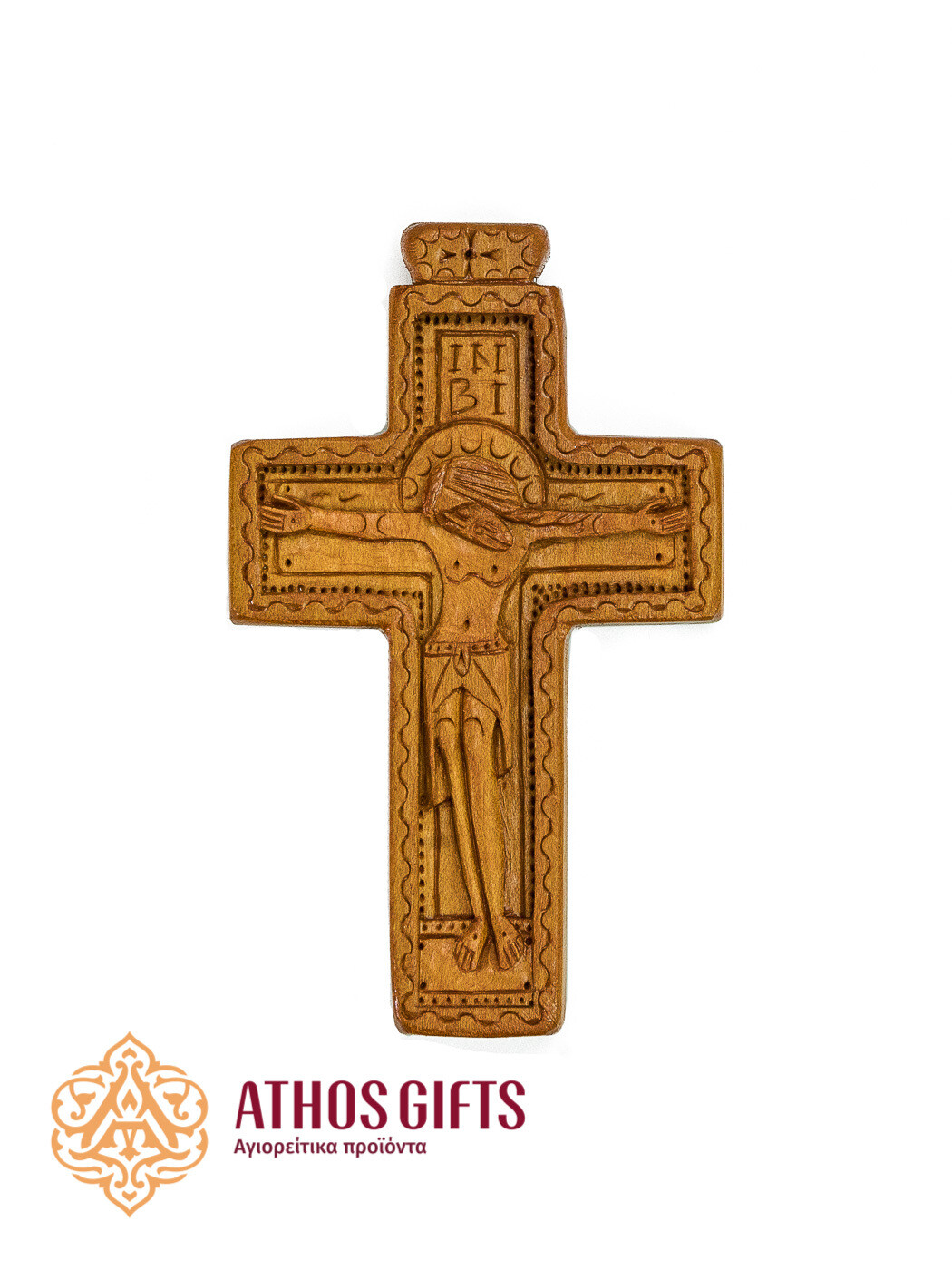
According to tradition, on the eve of the Feast of the Exaltation of the Holy Cross people throughout Greece cut fresh basil and bring it to the church, where the priest blesses it, prepares the holy water and distributes it to the faithful.
This custom is closely associated with Saint Helena and the Feast of the Exaltation of the Holy Cross (14 September). According to tradition, the saint discovered the Cross of Christ's Passion in a place overgrown with basil.
For this reason, during the great feast, the clergy distribute sprigs of basil as a symbol and remembrance of the sacred event.
Upon arriving in Jerusalem, Saint Helena began searching for the place where the Cross had been buried. However, no one knew its location or could direct her to it. Accompanied by many workers, she never ceased to search, sustained by faith and love for Christ. They labored tirelessly for many months, yet without any success.
One day, the saint stepped on a small plant from which a precious fragrance arose, filling the air with a sweet scent. She immediately summoned her companions and ordered them to dig at that very spot. The Cross was discovered there. According to tradition, the plant was thereafter associated with the finding of the Holy Wood upon which the “King of the World” was crucified. It therefore took the name basil from the Greek word «Βασιλιάς», which means “King”.
Throughout the year, the holy water blessed on this great feast is used to prepare bread, which is considered blessed by the grace of the Holy Cross.
As local traditions on the island of Lemnos recount, every housewife brings to the church a vessel filled with water and basil. These are used to prepare holy water, which, in turn, is used for baking bread throughout the year.
According to tradition, a Turkish woman once asked the people of Limnos how they managed to make their bread so delicious. They replied that they added holy water from the Feast of the Exaltation of the Holy Cross. The woman asked for some of the holy water for herself. However, since she was not a Christian, they were uncertain whether they should give it to her. Not wishing to refuse her request, they eventually offered her ordinary water, claiming that it had been blessed. A miraculous event then occurred. The woman's sincere faith that the water she had received was holy caused her bread to rise beautifully, become exceptionally tasty, and remain fresh for several days. When she later thanked them, they were filled with remorse and revealed the truth. Recognizing the miracle, they took some basil from the church and made the sign of the Cross over the bread. The basil was then placed in a glass of water so that it could take root and be replanted.