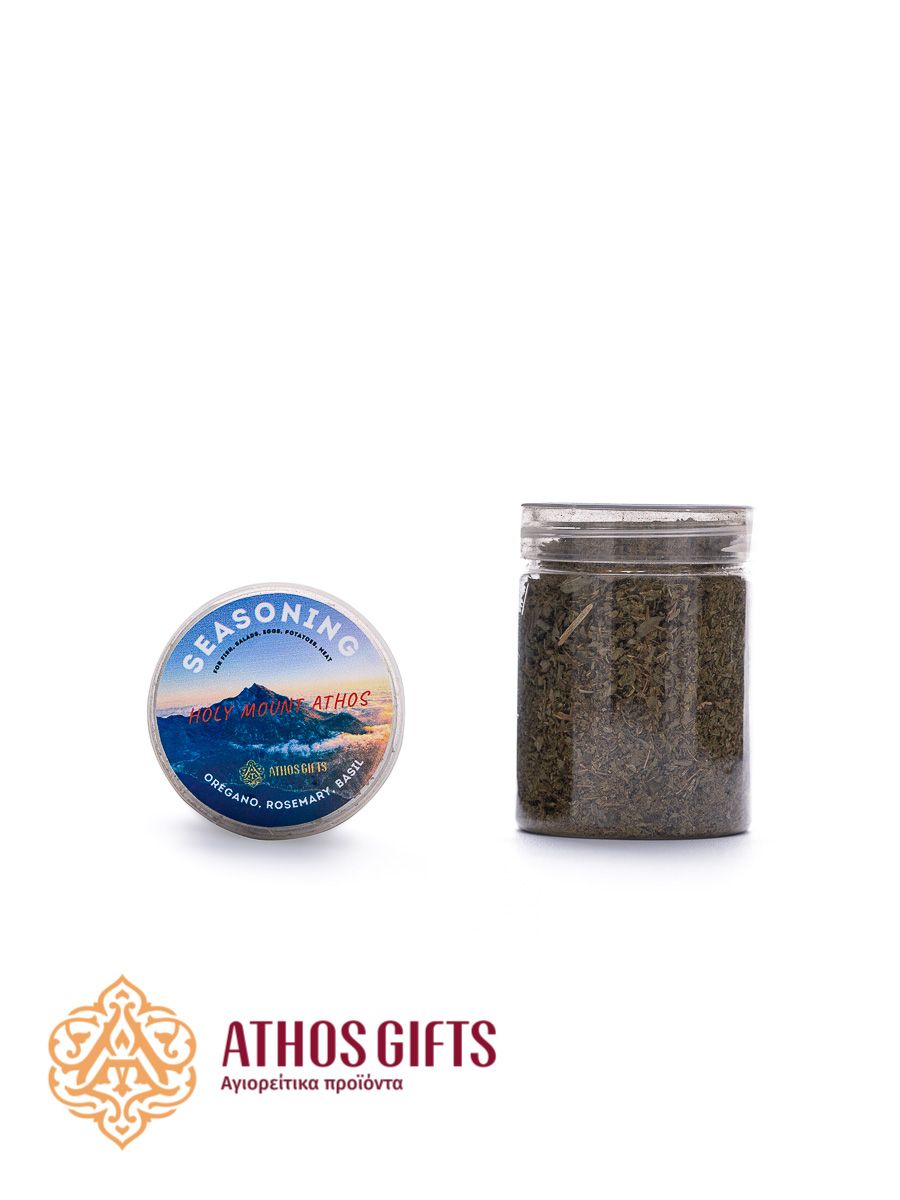
Monks who arrive at Mount Athos from all over the world bring together with them the culture, traditions, and culinary habits of their homelands. This creates a fascinating mosaic of diverse elements, which blend with harmony into their shared monastic life and local cuisine.
Their meals are enriched with a wide variety of spices and organic products from the Athonite land, such as red pepper. This spice holds a special place in the cuisine of Mount Athos, as it is widely used alongside black pepper, adding a special scent, color, and a subtle sharpness to the dishes. The second most important spice is cumin, which came to Athos from Asia Minor and the Far East. Cumin is added to almost every type of dish, including vegetables and legumes. Even the renowned Athonite cooks add a pinch of cumin to fish soup.
It is important to note that Athonite recipes are specifically designed to serve large numbers of people. Sometimes meals are prepared for 50–100 monks at once, while during major feast days the number can reach up to 1,000. Kitchen service is considered one of the most demanding responsibilities, as the monk must meet the culinary needs of the entire brotherhood.
According to the Athonite rule, food is provided in all cenobitic monasteries. However, meat and animal products are excluded from the monastic diet. Fish is consumed on.jpg) ly on major feast days and Easter. Monk Epiphanios emphasized that this explains the diversity of Athonite recipes. As he argued, one is, in a sense, forced to invent many different ways of preparing the same ingredients.
ly on major feast days and Easter. Monk Epiphanios emphasized that this explains the diversity of Athonite recipes. As he argued, one is, in a sense, forced to invent many different ways of preparing the same ingredients.
In addition, many days of the year monks abstain from oil. This means that food must be both nutritious and flavorful without it. Herbs and spices such as parsley, mint, red pepper, cinnamon, and cumin play a key role in enhancing taste and aroma.
The monastic cuisine of Mount Athos is far more than a simple Mediterranean diet. Traditional fasting dishes, thanks to the abundance of fruits and vegetables, are rich in vitamins A, C, and E, antioxidants, and other essential nutrients. Animal fats are almost entirely absent, while the body’s nutritional needs are covered by legumes and vegetables.
Health benefits of the Athonite monastic diet:
- Lowers cholesterol levels
- Helps stabilize blood sugar and blood pressure
- Protects against osteoporosis and various types of cancer
- Helps slow the aging process
- Improves liver function
- Promotes longevity (most monks pass away between the ages of 85–95, with many living over 100 years)
- Supports physical fitness
- Enhances mental clarity and psychological well-being