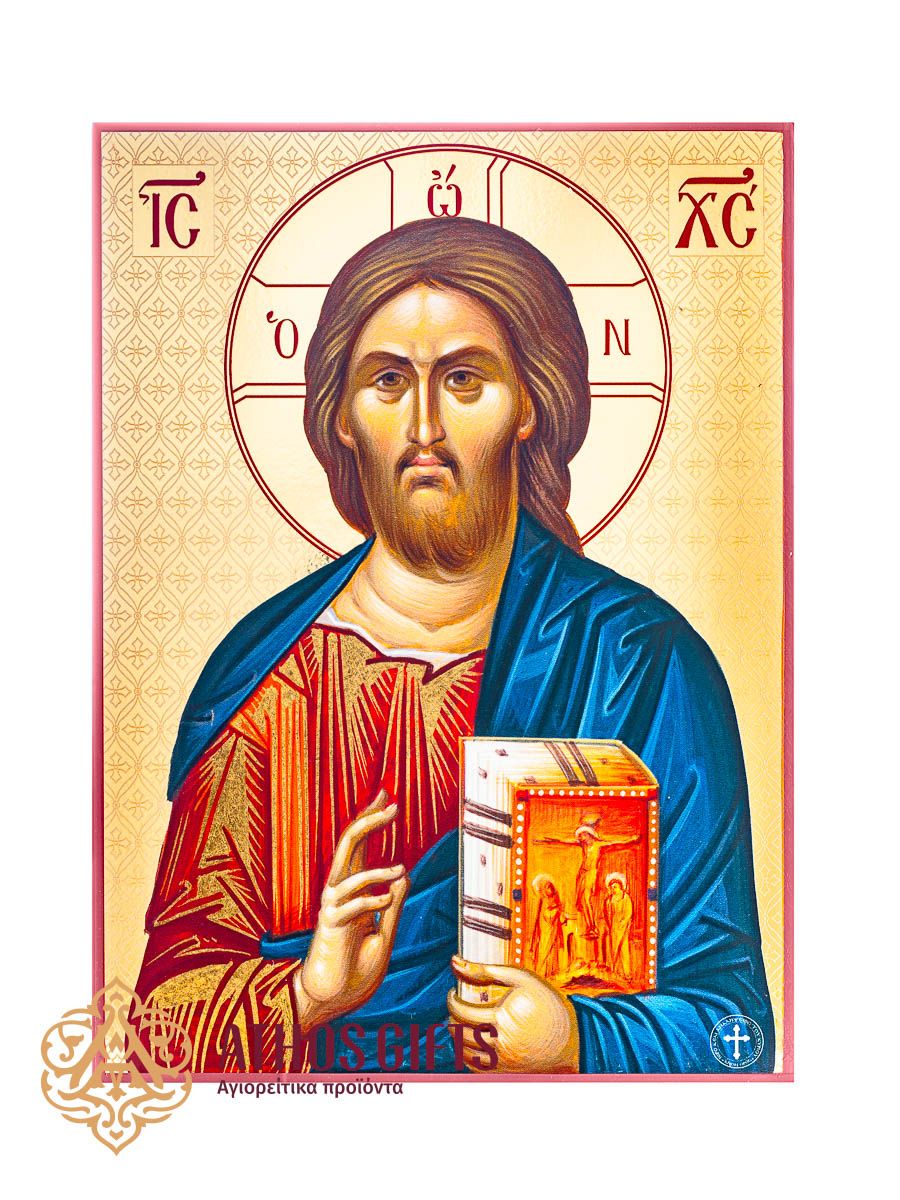
“Jesus answered, “Everyone who drinks this water will be thirsty again, 14 but whoever drinks the water I give them will never thirst. Indeed, the water I give them will become in them a spring of water welling up to eternal life.’”
(John 4:13–14)
As described in the Gospel of John, Jesus met the Samaritan woman beside a well, during His journey through Samaria.
“Jesus answered, “Everyone who drinks this water will be thirsty again, 14 but whoever drinks the water I give them will never thirst. Indeed, the water I give them will become in them a spring of water welling up to eternal life.’”
(John 4:13–14)
This well, known today as Jacob's Well, still exists and remains one of the most revered pilgrimage sites in the Holy Land.
Located approximately 500 meters southeast of the ancient city of Shechem, which is mentioned in the Old Testament, the well is about 35 meters deep. According to tradition, it was dug by Jacob, the son of Isaac, who gave the land to his son Joseph.
In biblical times, women typically drew water during the cooler hours of the evening. However, the Samaritan woman came to the well at midday, trying to avoid the other women because of her bad reputation. When Jesus asked her for some water, she immediately recognized from His appearance and speech that He was a Jew. Astonished, she replied: “You are a Jew and I am a Samaritan woman. How can you ask me for a drink?”

At that time, Jews and Samaritans used to avoid all contact with one another.
Jesus answered:
“If you knew the gift of God and who it is that asks you for a drink, you would have asked him and he would have given you living water.”
The woman misunderstood His words, believing He was referring to flowing spring water rather than the spiritual gift He was offering. She responded:
“Sir, you have nothing to draw with and the well is deep. Where can you get this living water? 12 Are you greater than our father Jacob, who gave us the well and drank from it himself, as did also his sons and his livestock?”
It was then that Jesus revealed the deeper meaning of his phrase:
“Everyone who drinks this water will be thirsty again, 14 but whoever drinks the water I give them will never thirst. Indeed, the water I give them will become in them a spring of water welling up to eternal life.”
He then asked the woman to call her husband. When she replied that she had no husband, He revealed His divine knowledge of her life, saying that she had previously had five husbands and that the man she was now living with was not hers. At that moment, she realized she was speaking not to an ordinary traveler, but to Messiah.
Today, Jacob's Well lies beneath the sanctuary of the Greek Orthodox Church dedicated to Saint Photini, the name traditionally given to the Samaritan woman after her conversion. The first church on the site was built during the fifth century AD, while the well has remained a place of Christian pilgrimage ever since.
The monastery has endured centuries of conflict and destruction. In modern times, the Greek Orthodox monastery was restored by Elder Justin. Despite numerous hardships and regional conflicts over the centuries, he devoted his life to preserving this sacred place where, according to the Gospel, Christ revealed Himself as the source of the living water and of eternal life.