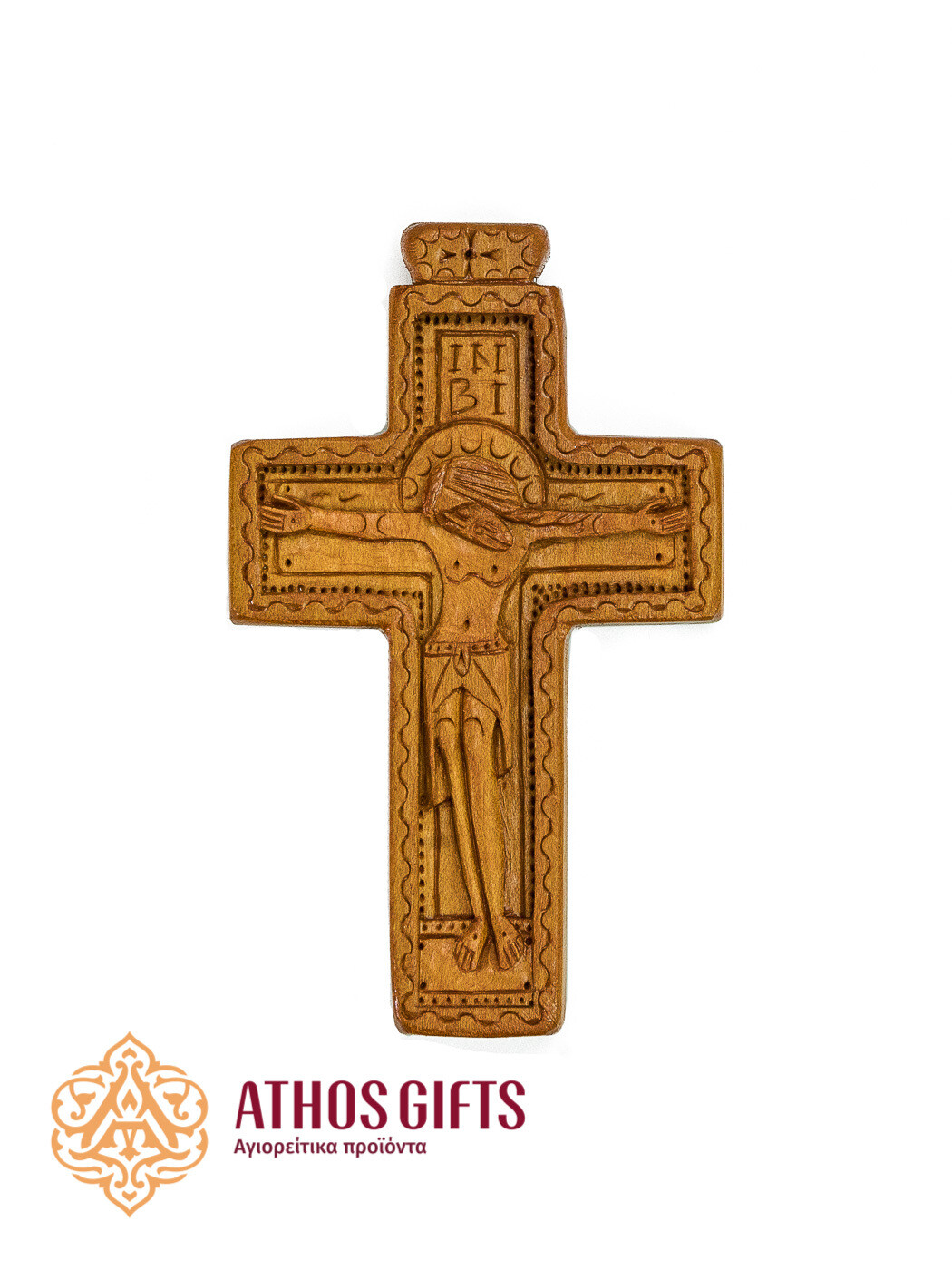
Confession is one of the most important sacraments of the Church. It allows us to "reconcile" with God, to understand deeply our faith and our very existence. In this way, we strengthen our spirituality, repent for our sins, and come into communion with God.
Repentance is a spiritual conversion and transformation for man.
When we sin, we distance ourselves from God. However, with the gift of confession and the guidance of our spiritual father, our mistakes can be forgiven. We become free again and able to return to the Lord. Confession frees us from the burden of what troubles our souls, what diminishes and limits our nature. It also gives us the opportunity to discuss our most intimate concerns, to receive useful advice, and to be strengthened spiritually.
Who Came Up with the Idea of Confession?.png)
The sacrament of confession was instituted by Jesus Christ himself. He gave the apostles the power to forgive people's sins in his name. This gift was passed on to the bishops of the Church so that they could continue the work of the apostles. Thus, the sacrament of confession was established and is still practiced today.
Are Confessions Necessary for Everyone?
The only person who would not need confession would be a person without sins. However, St. John the Theologian emphasizes that anyone who considers himself sinless is mistaken and far from the truth. The only sinless person on earth was Christ himself, who accepted the baptism of repentance from John the Baptist and, thus, by his example, emphasized the importance of the mystery. Confession is an integral part of the liturgical and spiritual life of every Orthodox Christian.
Who Can I Confess to?
The sacrament of confession is performed with the participation of a priest. Anyone who wishes to confess should contact a priest who has the blessing and permission to perform the mystery. Often, it is necessary to contact him in advance and agree on the time and place of the sacred mystery, while in many parishes the days and hours of confession are predetermined.
It is good to remember that the priest we choose, our spiritual father, as a human being, is not infallible but has his own sins.
He performs the work of forgiving our sins not with his holiness or power, but with the grace given to him by God. He intercedes with the Lord on our behalf., while he himself confesses his own sins to another priest. Therefore, we should not seek a "saint" to confess to, but a person who, despite his own passions, will be able to lighten the burdens of our soul.
The most important thing is to realize our sin and find the strength to confess it. Our spiritual father will in turn find the wisdom and grace of God, so that his advice will be beneficial to our soul and strengthen our faith.
However, without our true repentance and spiritual struggle, even the worthiest priest cannot bring peace within us. God's grace comes into our lives not through the holiness and prayers of another human being, but through our own humility, repentance, prayer, forgiveness, and love.
Where Does the Confession Take Place?
The sacrament of confession is usually performed in a church. Sometimes it can also be performed in a chapel or another similar place.
What Do I Say During Confession?
Before approaching the sacrament of confession, we should understand our deepest feelings and concerns. This will enable us to talk about our thoughts, actions, behavior, habits, values, priorities, goals, and our general attitude toward life..png)
It is helpful not to limit our thoughts to our personal lives and theoretical concerns, but to examine our family and social relationships, our work, and our interactions with the rest of the world. Our lives should be illuminated by the Holy Spirit in all aspects, not just in terms of our personal self-improvement and reflection. The goal is not to condemn ourselves, but to reevaluate our attitude, always seeking our path to the Kingdom of God.
It is therefore useful to reflect on the issues that concern us, to evaluate our judgment and the decisions we make every day.
What to Do If I Can’t Think of Anything to Say in Confession?
We often wonder what we should confess, since we have not done anything truly terrible. This thought is a good reason to seek out and study thoroughly Christ's teachings. Our Lord teaches us that, beyond keeping the commandments, there are many other things we can do to ensure the salvation of our souls. So, it's good to think about the sinful thoughts, worries, anxieties, anger, and passions that take us away from Him. It is also useful to think not only about the evil we may have done, but also about the good we avoided doing, missing an opportunity for salvation offered to us by the Lord.
Many of us would readily and confidently declare that we love God, that we believe in Him, and that we have His face as the beginning of our lives.
However, how can we, in the context of our mortal existence, ever be sure of this love?
The most accurate and powerful criterion in our effort to draw closer to Him is His commandments, and especially the idea of love for our neighbors. As Christ Himself taught us, the commandment "love your neighbor as yourself" encompasses all the others.
We cannot claim to love God while violating His commandments. Similarly, we cannot love people and at the same time behave unjustly.
Indeed, love for God is manifested in our love for our neighbor. Thus, when we are indifferent or behave cruelly, we show that we do not love God Himself. We overlook His most important commandment and do not respect His creations.
It Is Difficult for Me to Talk About my Most Personal Issues. I Hesitate and Feel Shy. Will a Priest Judge Me for My Sins?
The mystery of confession should be a healing that will redeem us, while we should see our spiritual father as a doctor. Confession is indeed a matter of mental and, often, physical health.
For the priest, confession is a sacred act. It requires faith, courage and deserves respect. Our sins are not shameful, funny, or horrible in his eyes. They are concerns and passions, big or small, that torment us. His priority is to support and never judge the people that come to him.
During confession, each person humbles themselves before God and before the priest, surrounded by the Divine Grace, which fills and gives meaning to the sacraments of the church.
Can the Seal of Confession Ever Be Broken?
Maintaining confidentiality is a sacred duty of the priest, protected and ensured by the Church. Any breach of confidentiality results in the punishment of the person who committed it, breaking the bond between the confessor and the penitent.
As already mentioned, the spiritual father should be treated as a doctor. This implies our trust in him and his own credibility.
.png)
We always have the option to freely choose another priest, based on our personal judgment and intuition. From then on, it is good to confess regularly to the same person, avoiding frequent changes.
How Do I Confess Something Bad?
A simple, brief, and clear reference to the essence of our actions is sufficient. There is no need for details that may cause us embarrassment, especially when it comes to carnal passions. Furthermore, there is no need for lengthy introductions or excuses.
If necessary, the priest himself will ask to know more. The important thing is to remain humble and be aware of what we confess.
There is no need for unnecessary conversation. If we need to discuss matters of general interest, this can be done outside the mystery of confession. It is important to be mindful of our fellow brothers and sisters who are also waiting to confess, as well as our spiritual father who listens to us with self-denial and patience.
Does Confession Absolve All Sins?
The blessing of our spiritual father grants forgiveness for all the sins we have recognized and confessed. We should be certain of this and not doubt God’s limitless care. There is no reason to fear or doubt that the Lord has forgiven all our sins, big or small, as long as we have confessed them sincerely and repented for our actions. We must show faith in the mystery and the love of God, which "always protects, always trusts, always hopes, always perseveres."
If we have neglected to mention something we consider important, it is good to remember it, having faith that God will give us the opportunity to speak about it in the future.
Is It a Sin to Not Confess Something?
If, after confession, we realize that we have forgotten to mention something important, we should not lose our joy and hope. It is enough to remember it and mention it the next time we attend the holy mystery. However, if we deliberately omitted a sin, we should know that we have not received forgiveness for it and that we should still discuss it with our spiritual father.
Do I Have to Confess My Sins Before Taking Communion?
After confession we must ask for the blessing of our spiritual father and, if he allows it, we may receive the Holy Communion. He will give us the right advice so that we know how often to receive Communion and how to prepare ourselves properly.
Does God Forgive Me if I Repeat the Same Sin?
Just as a person suffering from a chronic illness never ceases to seek relief and cure, so too must those who desire to attain spiritual health strive equally hard.
Repentance is at the core of every believer's spiritual struggle. The sacrament of confession guarantees that no sin can keep us away from God's mercy. It is the greatest gift and proof of divine philanthropy.
.jpg)
Ultimately, it is not our sins that keep us from the Divine Grace, but our refusal to speak to the Lord, through the sacrament of confession.
In conclusion
The sacrament of confession cultivates humility and trust in God's infinite love. The source of our sins is not human passions, from which no one can ever be free, but the selfishness that we often develop. Our healing depends on our participation in a personal relationship with God. The sacrament of confession is the path to that relationship.
It is therefore good and necessary to confess not only before the great feasts of Easter and Christmas, but regularly, so that we do not hold any passions and sins within us.
"God opposes the proud but gives grace to the humble" (James 4:6).
During the sacrament of confession, our relationship with God is restored. The Lord blesses the faithful, who has endured humiliation, acknowledged his mistake, and sought His help through his spiritual father.
Spiritual guidance and the advice of a priest can be a powerful wall of protection against vanity and pride.
In this way, we guard ourselves against arrogance and selfishness, while cultivating love within us, so that we may one day be led to the completion of our life in the Kingdom of Heaven.