The climate of Mount Athos is Mediterranean, with mild winters and cool summers. The sea surrounding the borders of the monastic state has particularly beneficial effects on both the atmosphere and the soil composition. Rainfall is often heavy and intense, especially at the summit of Mount Athos, the highest point of the peninsula.
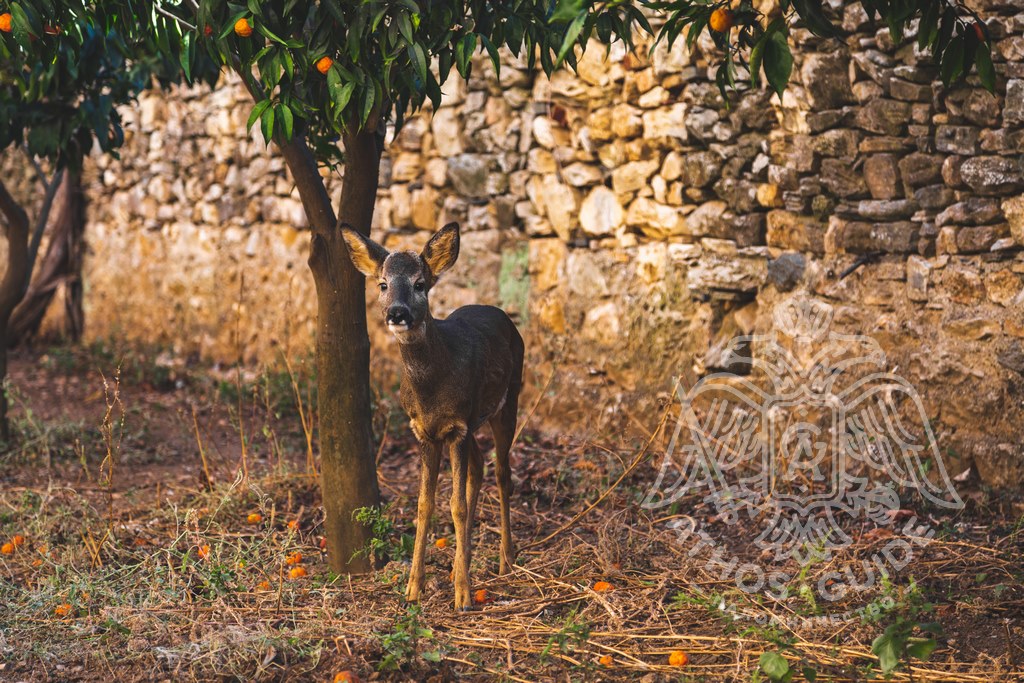
The monastic state is located at the easternmost of the three peninsulas of Chalkidiki. It differs in geological, climatic, and historical terms. This differentiation is also evident in the region’s flora and fauna.
The terrain is characterized by steep slopes along the coastline, significant variations in altitude, and the imposing presence of the mountain, which rises abruptly to approximately 2,000 meters (2,033 m). This distinctive topography, combined with the coastline and the sea currents at its southern edge, has repeatedly contributed to the area’s protection from invasions and conquering forces. It may also be considered one of the main reasons for the establishment of such a monastic community. Geographic isolation has helped preserve the land, the rich fauna, and the presence of 37 endemic plant species.
As mentioned above, the high elevation plays a key role in shaping the climate. The prevailing northeasterly winds, along with the updrafts and downdrafts created by the steep slopes, produce an amazing environment of wild and striking landscapes. Thus, in the northern part and along the coasts of Athos, one can feel the Mediterranean climate, while in the central region conditions gradually change together with the increasing altitude. This explains the abundance of deciduous and broadleaf trees (oaks, chestnuts, beeches), as well as mountainous Mediterranean conifers (fir trees and black pine).
In the highest mountainous zone of Mount Athos, at an altitude of approximately 1,600 meters, the climate changes.
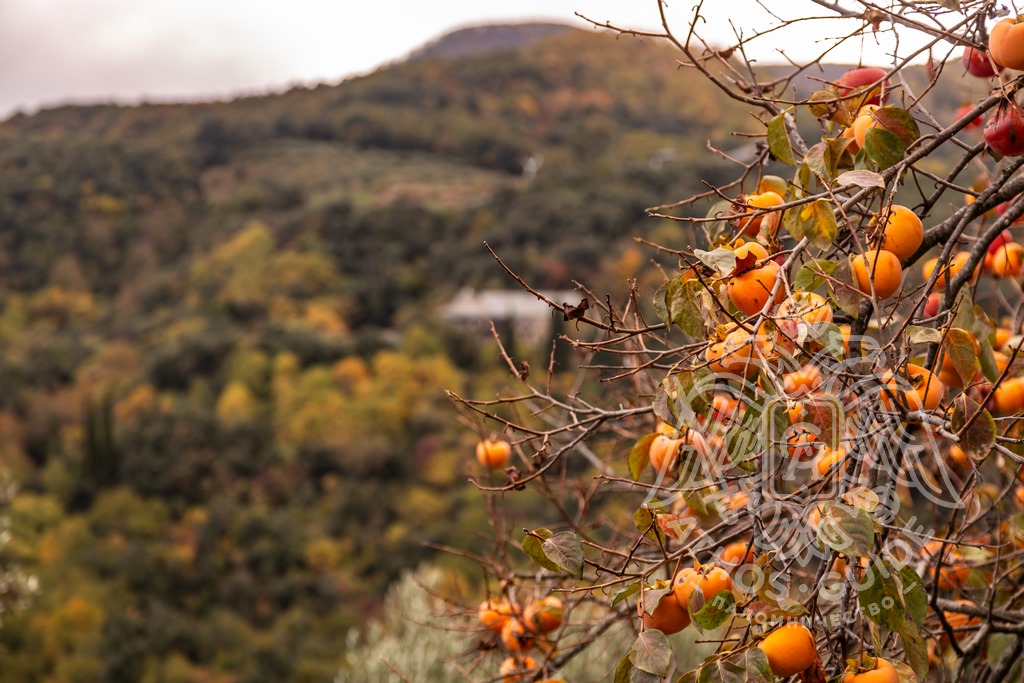 As a result of this great diversity, distinctive geological formations have been developed. The combination of unique rock formations, varied topography, and climatic conditions has resulted in the Athos Peninsula having high biodiversity. This is evidenced by the large number of species of flora and fauna (over 1,200 plant species and 350 species of fungi), the variety of vegetation types (approximately 50 plant communities), and the diversity of the landscape. All these elements create a unique mosaic, rare and concentrated within a limited area.
The diversity of geological features, the multiplicity of rock types, the complex nature of the soil, the high elevation of Mount Athos, the strong climatic variations, and the isolation of the region—with the absence of grazing land suitable for livestock—have undoubtedly constituted the necessary preconditions for the emergence of the Athonite monastic state.
The Athos Peninsula is distinguished by its rare and striking beauty. Its unique environment, preserved for centuries through the isolated state of the monastic community, has remained untouched.
The natural environment is, among other things, an integral part of the cultural heritage of Mount Athos and of the entire Orthodox Christian world